Why Flail Mower Blades Wear Out Fast — and What to Look For When Replacing Them
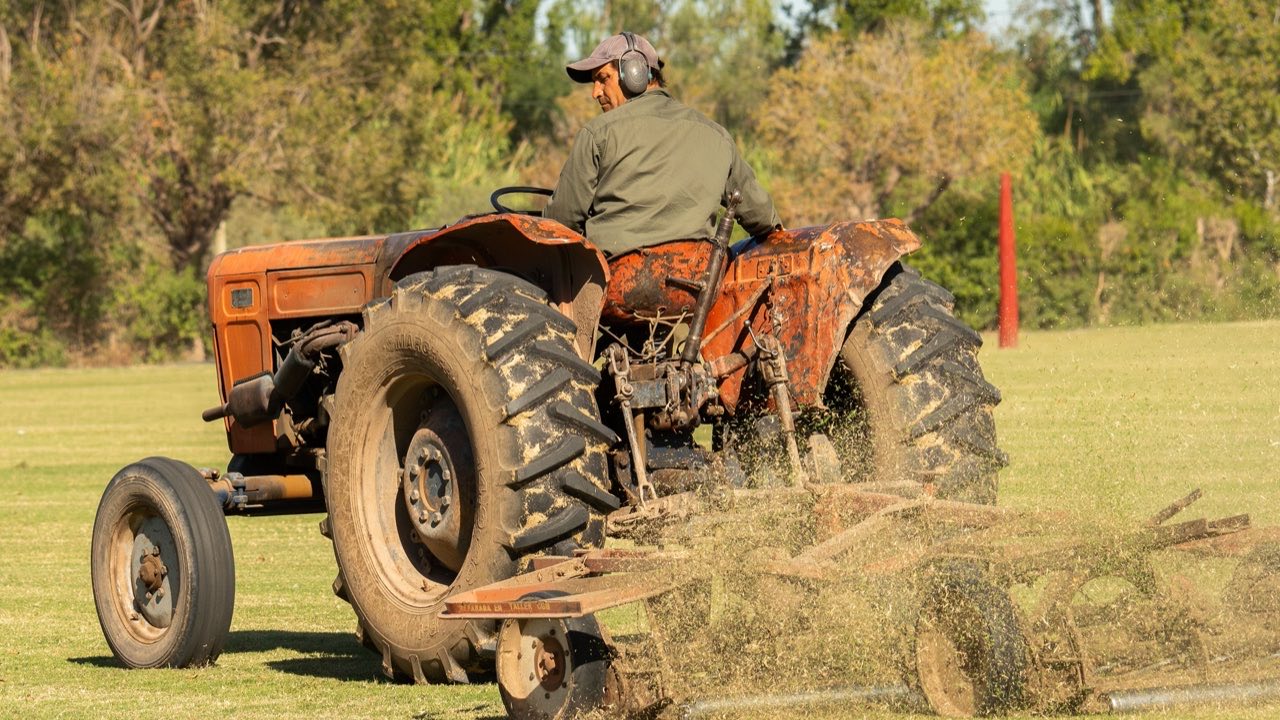
Flail mower blades are consumables. Every operator knows they’ll need replacing eventually. What’s less obvious is why some sets wear out in a season while others hold up for years doing the same work — and why the difference usually has nothing to do with how hard you’re running the machine.
The answer is mostly in the blade itself: what it’s made from, how it was manufactured, and whether it was actually designed for the conditions you’re running it in. These factors explain most of the variance in blade longevity, and they’re worth understanding before you order a replacement set.
What Blade Failure Actually Looks Like
Flail hammer blades fail in a few distinct ways, and the failure mode tells you something about the cause.
Edge wear is the most common and most benign — the cutting edge dulls over time from continuous contact with vegetation and soil. This is normal and expected. The question is how fast it happens. A blade made from properly hardened high-carbon steel should maintain a functional edge through many hours of operation. One made from softer or inconsistently hardened material dulls much faster because the surface hardness isn’t sufficient to resist abrasion.
Chipping and cracking is more serious. This happens when a blade is too hard relative to how tough it is — when the steel has been hardened for wear resistance but not properly balanced for impact resistance. Flail hammers regularly hit rocks, stumps, wire, and other hidden debris. A blade that can’t absorb that impact without fracturing is a liability, not a long-term solution. Pieces of a shattered blade become projectiles.
Bending and deformation is the other failure mode, and it indicates insufficient structural strength — usually from material that was either underalloyed or insufficiently heat-treated. A blade that bends rather than springs back under impact load is done. It won’t balance properly, it cuts unevenly, and it puts stress on the rotor bearings.
The Material and Process Gap
Most of the quality difference between blade manufacturers comes down to two things: what steel they’re using and how they process it.
Better blades use high-carbon alloy steel — material that, after heat treatment, achieves a hardness in the 45-52 HRC range. That specific range is a balance point: hard enough to resist abrasion and edge wear, but not so brittle that it can’t handle the impact loads flail cutters regularly encounter. You can push hardness higher, but above a certain point you gain wear resistance and lose toughness, which is the wrong trade-off for a blade that hits things.
The manufacturing process matters as much as the material. Hot die forging — where the blade is formed under pressure at temperatures above 1,000°C — produces a different internal grain structure than a blade that’s simply cut or cold-formed from plate steel. Forged blades have refined grain alignment and higher tensile strength. The spec that matters here is tensile strength above 1,200 MPa; blades that reach this level under testing will handle impact loading that would fracture or bend weaker alternatives.
Some manufacturers offer tungsten carbide overlay on the cutting edge for especially abrasive conditions — rocky soil, gravelly roadsides, recycled material. Carbide-faced edges last significantly longer in these applications. The tradeoff is cost and slightly reduced impact toughness compared to a plain steel edge, so it’s a choice worth making based on what your specific conditions actually involve.
Sizing and Compatibility
Blades that are the wrong size for the rotor create problems even when the metallurgy is right. A blade that’s too short doesn’t overlap correctly with adjacent blades, leaving uncut strips. One that’s too heavy shifts the rotor balance, causing vibration that wears bearings prematurely. And mounting hole dimensions that don’t match exactly create fitment problems that change how the blade swings and how reliably it returns to position after impact.
Flail hammer blades come in a wide range of dimensions — different lengths, widths, thicknesses, and mounting configurations for different rotor designs. Most reputable manufacturers list dimensions explicitly (something like 101×54×45mm or 139×115×56mm) so you can match to your existing setup. If you’re sourcing replacements, bring the old blade or its spec sheet; guessing on dimensions is a good way to end up with parts that don’t fit.
When You’re Evaluating a Replacement Supplier
The practical question when you need replacement blades isn’t just which product to buy — it’s which supplier to evaluate seriously. A few things that separate suppliers worth considering from those that aren’t:
Explicit material specifications. Any supplier who can’t tell you the steel grade, hardness range, and whether the blades are forged or cut-and-formed is selling on price alone. That’s fine for some purchases. For blades that go on a working machine, it’s not enough information.
Range coverage. A supplier that stocks common sizes for multiple rotor platforms — and can provide dimensional specs for all of them — is better positioned to solve fitment questions quickly than one that only carries a handful of SKUs.
Minimum order flexibility. If you’re running a single machine with a couple of rotor configurations, you don’t need pallets of blades. Suppliers who work with smaller quantities let you maintain a reasonable spare inventory without overcommitting capital to consumables.
To visit page and review available blade dimensions and specifications is a reasonable starting point if you’re sourcing replacements for demanding applications. The dimensional listings and material specs let you compare directly against what you’re currently running.
The Underlying Logic
Blade replacement frequency is often treated as a fixed cost — something you budget for and accept. In practice it’s more variable than that, and the variation is mostly explained by blade quality rather than operating conditions. Harder, tougher, better-manufactured blades genuinely last longer in the same conditions. The cost difference between a cheap set that lasts a season and a quality set that lasts three is usually not in the blade’s favor when you account for downtime and labor.
That calculation changes depending on your application — light orchard work is different from heavy roadside clearing — but the underlying principle holds. The blade is a consumable, but it’s not a commodity. What it’s made of and how it was made determines how long it lasts and how it fails. Those are worth knowing before you buy.