Tips for Choosing the Right Pipe Using Schedule 80 Size Charts and Standards
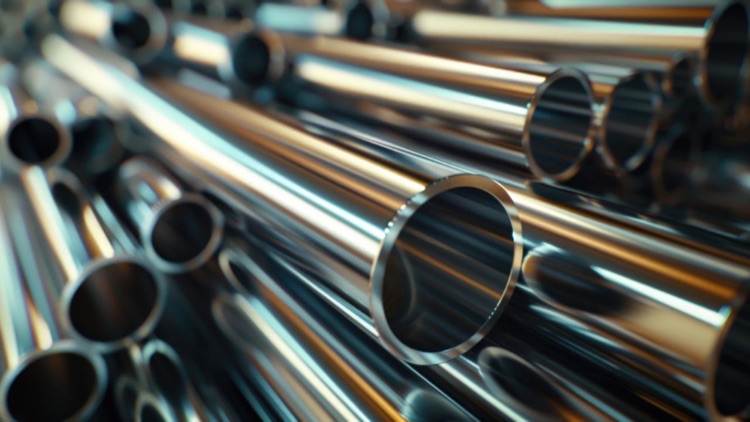
Choosing the appropriate steel pipe is a key procedure in any industrial or engineering project. The high-pressure systems commonly use schedule 80 steel pipes due to their thick walls and high performance. However, selecting the right pipe is not only about choosing the correct size. It also requires considering:
- Size charts
- Pressure ratings
- Material standards
- Application requirements
The schedule 80 pipe size chart assists engineers and buyers with comparing important dimensions, including:
- Outside diameter
- Inside diameter
- Wall thickness
- Weight
Understanding these details helps improve system reliability while making the design safer and more cost-effective.
Matching Pipe Size with Pressure Requirements
The most critical tips include the matching of the pipe size and schedule with the pressure conditions of the system. The Schedule 80 pipes are made to be used in high-pressure cases as opposed to Schedule 40 pipes. In case the pressure must be large, a slimmer pipe can pose hazards or break prematurely. The working pressure of the system should always be checked by the engineers and compared with the size charts and standards of the pipes. This will guarantee the pipe used is capable of working long-term without breaking.
Checking International Standards before Selection
Pipe selection should always follow recognized standards, such as:
- ASME B36.10M
- ASTM A53
- ASTM A106
- API 5L
These criteria stipulate precise measurements, material strength, and test requirements of Schedule 80 pipes. When pipes are of these standards, they provide a steady quality and predictable performance. Most industries, such as oil and gas, construction, and chemical processing, rely on the standards to ensure safety and compliance. The standards-based selection will be more reliable and will reduce the chances of product failure.
Comparing Schedule 40 and Schedule 80 Pipes
The other tip that can be of use is to compare Schedule 40 with Schedule 80 pipes, which can be decided upon only after comparison. Lightweight Schedule 40 pipes are simpler to install and less expensive when it comes to low-pressure systems. However, Schedule 80 pipes are more robust and can handle high pressure or challenging conditions. They do not reduce material cost, weld time, or transportation weight, however. Comparing the two alternatives with the help of size charts, the engineers can prevent overdesigning and select the most feasible alternative for the project.
Considering Flow Rate and Internal Diameter
The thicker wall makes the internal diameter of Schedule 80 pipes smaller. This can decrease flow capacity, which is a significant consideration in fluid transport systems. Engineers need to consider whether this constrained flow area will impact the performance of the system. When a high flow is needed, it is important to select the size carefully to ensure that it is efficient. The size charts are used to assist engineers in balancing the pressure strength and flow requirements to achieve smooth and efficient operation of the system.
Evaluating Material Type and Manufacturing Method
Another important consideration is whether the pipe is seamless or ERW (Electric Resistance Welded).
- Seamless pipes are preferred for high-pressure and high-temperature applications because they do not have a welded seam.
- ERW pipes are more economical and are suitable for medium-pressure applications.
The selection between the two types depends on the conditions of the project, budget, and safety conditions. Taking into account the manufacturing method and size charts can contribute to the assurance of the technical and economic expectations of the pipe.
Considering Weight and Transportation Costs
The heavy schedule 80 pipes have thicker walls, hence they are heavier, and this directly influences transportation and the cost of installation. Before final selection, engineers should check weight values in the size chart to estimate shipping and handling requirements. Some important considerations include:
- Heavier pipes increase transportation requirements.
- Large projects may require carrying smaller quantities at a time.
- Heavier pipes may require stronger support structures during installation.
Considering pipe weight at the planning stage helps avoid unexpected project costs and delays.
Conclusion
The selection of the appropriate pipe based on the use of the Schedule 80 size charts and standards involves a delicate balance between the pressure needs, flow conditions, the type of material used, and the cost consideration. When specifying pipes, engineers and buyers should not base their attention on the size but rather on the standards, the requirements, and the durability of the product. A combination of all these factors can make Schedule 80 pipes provide efficient, reliable, and safe performance of demanding industrial systems. An appropriate selection process will guarantee a more durable, reduced-maintenance, and greater success of the project.