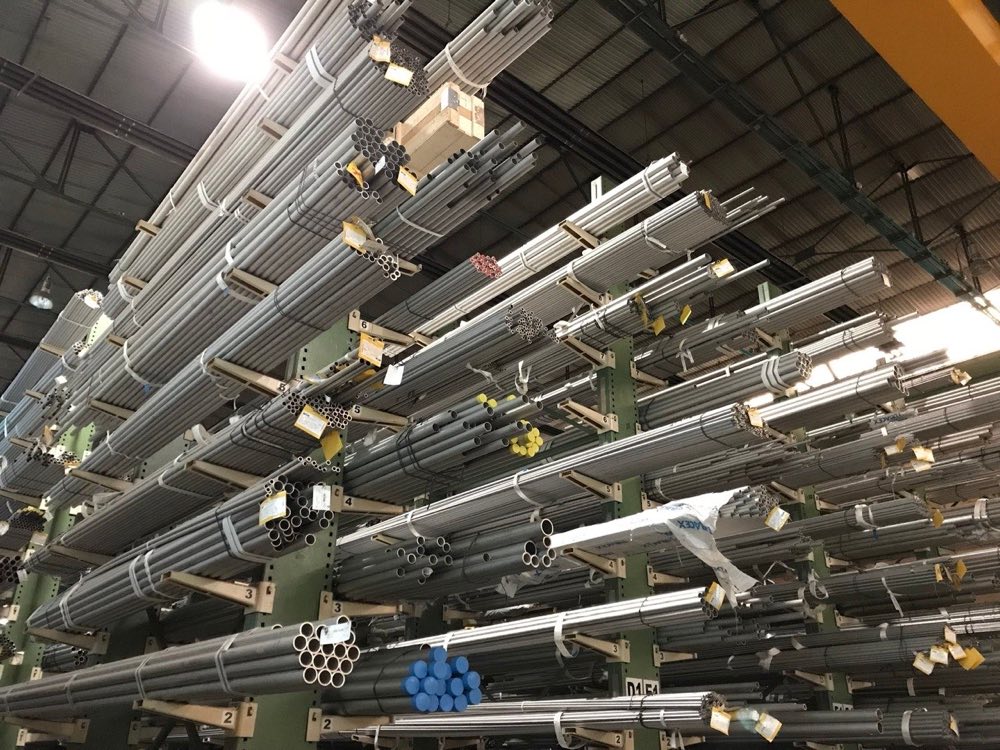
The Connection Detail Problem That Makes HSS Steel Sections Harder to Work With
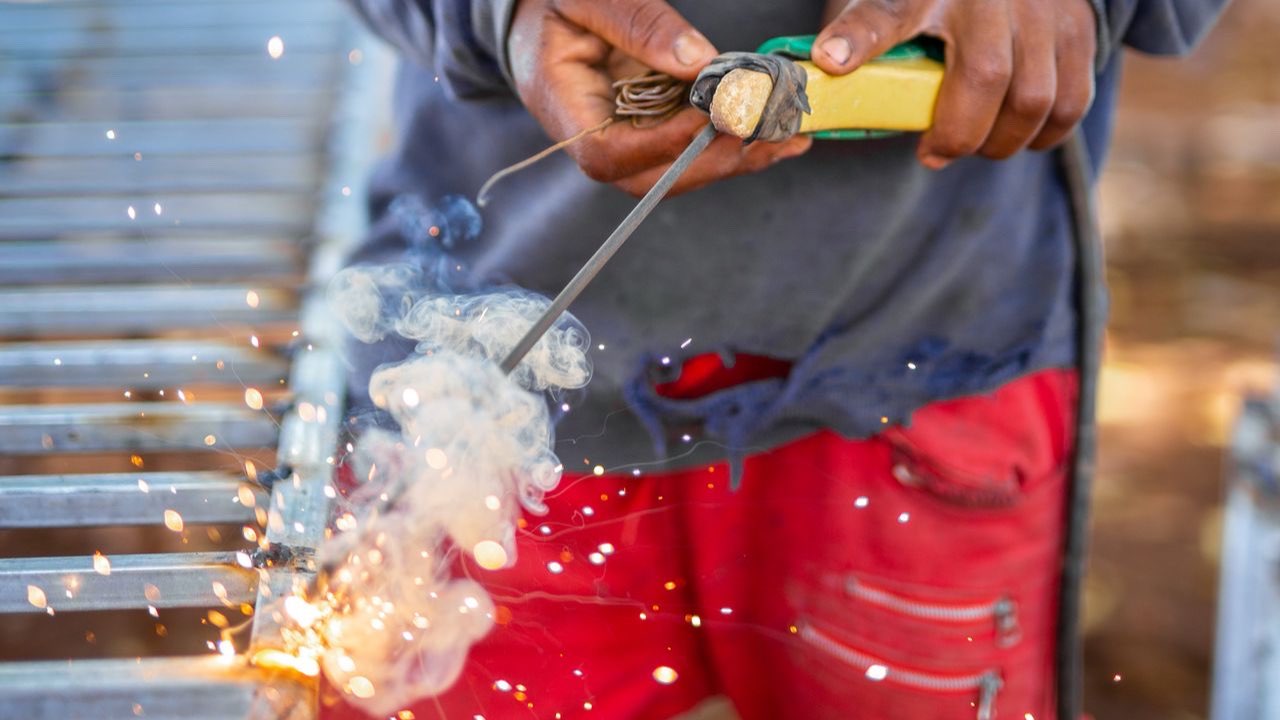
Anyone who has detailed connections for HSS knows the experience: you reach for a standard connection type that works fine on wide-flange members, then realize it doesn’t translate. The closed cross-section that gives HSS its torsional stiffness and clean visual profile is also the source of its connection complexity. There’s no flange to bolt through, no web to weld a gusset to from the inside, no way to access the interior once the tube is fabricated.
This isn’t a reason to avoid HSS — the structural and aesthetic advantages often make it the right choice — but it’s a reason to understand the specific challenges and account for them from the beginning of design, not at the shop drawing stage.
The Interior Access Problem
The fundamental issue with HSS steel sections is that the interior is sealed. For open sections like W-shapes, many connections rely on bolts, welds, or gussets that access both faces of the web or the interior face of a flange. None of those options exist in a closed tube.
This matters most for bolted connections. A standard shear tab welded to a W-shape web can receive a beam-to-column bolted connection from one side, with bolts threading into nuts on the open interior of the web area. The same shear tab welded to the face of an HSS column has no interior access for nuts. The standard solution — and the one covered in AISC’s design guide for HSS connections — is through-bolts: bolts that pass through the full depth of the HSS with nuts on both the exterior faces. This works structurally, but it changes the geometry of the connection, requires holes in both walls, and can create field installation complications if the through-bolt alignment doesn’t match as fabricated.
Blind bolts — a proprietary family of fasteners designed specifically for hollow section connections — provide an alternative. These fasteners can be installed from one side and expand or lock against the interior face of the HSS wall during installation. They’re more expensive than standard bolts, require specific installation tooling, and have load capacity limitations compared to full through-bolts, but they eliminate the access problem and produce a cleaner external appearance, which is valuable in architectural applications.
Welded Connections and the Punching Shear Issue
For welded connections — branch-to-chord in trusses, brace-to-column in lateral frames — HSS connections introduce a failure mode that open sections don’t have in the same way: punching shear through the chord face, and chord face plastification.
When a branch member meets an HSS chord at an angle, the load from the branch is transferred into the chord through the chord face. The capacity of that transfer depends on the chord face thickness, the chord width-to-thickness ratio, the branch-to-chord width ratio, and the angle of intersection. AISC Table K1 in the specification provides the equations for these connection types, but the calculations are more involved than typical moment connection or shear connection design.
The critical parameter is often the beta ratio — the ratio of the branch width to the chord width. Connections with high beta ratios (branch nearly as wide as the chord) develop higher face loads over a larger area and can be designed more efficiently. Low beta ratio connections concentrate the load over a small area of the chord face, which reduces capacity and may require chord face reinforcement or connection geometry changes.
In practice, this means that truss geometry drives section selection in a way it doesn’t for open sections. A chord size that works structurally for the span and load may not produce workable connections with the available branch sizes. Detailers and engineers iterating on HSS truss designs typically solve chord and branch sizes simultaneously rather than sequentially.
The Coping and Cope Weld Issue
When an HSS brace or secondary member frames into an HSS primary member at an oblique angle, the end of the framing member must be profile-cut — a saddle cut or cope cut — to fit the curved or flat surface of the receiving member. For round HSS, this is a cope cut that follows the curvature of the chord surface; for square or rectangular HSS, it’s a series of angled cuts that fit the flat faces and corners.
Profile cutting for round-to-round connections requires CNC plasma or laser cutting capability. A manual cut that approximates the saddle profile produces poor fit-up, which compromises weld quality. For square-to-square connections, the geometry is simpler, but the corner areas — where two flat cuts meet at the section corner — require careful attention to produce a continuous weld without gaps.
Weld access in the crotch of an acute-angle HSS connection is often limited. A brace meeting a chord at a 30-degree angle creates a very tight interior corner where the electrode can’t reach, and the weld in that zone is either eliminated (with documentation that the partial-length weld is adequate) or performed with a small-diameter electrode that can reach into the tight geometry. This is a fabrication decision that affects weld procedure, labor hours, and connection capacity — and it’s best resolved in the shop drawing review, not discovered during welding.
The Practical Response
None of these complications make HSS connections unworkable. They’re handled routinely by fabricators experienced with the section type. What they do require is earlier engagement between the structural engineer and the fabricator than open-section connections typically need.
For standard building connections — base plates, shear tabs, moment connections at columns — the AISC Design Guide 24 (Hollow Structural Section Connections) covers the geometry and capacity calculations thoroughly. For complex truss geometries or unusual connection configurations, the fabricator’s input on what their equipment can cut, what their welders can access, and what connection type minimizes shop labor is valuable design input, not just execution detail.