What to Verify Before Placing a Wholesale Insulated Water Bottle Order with a New Supplier
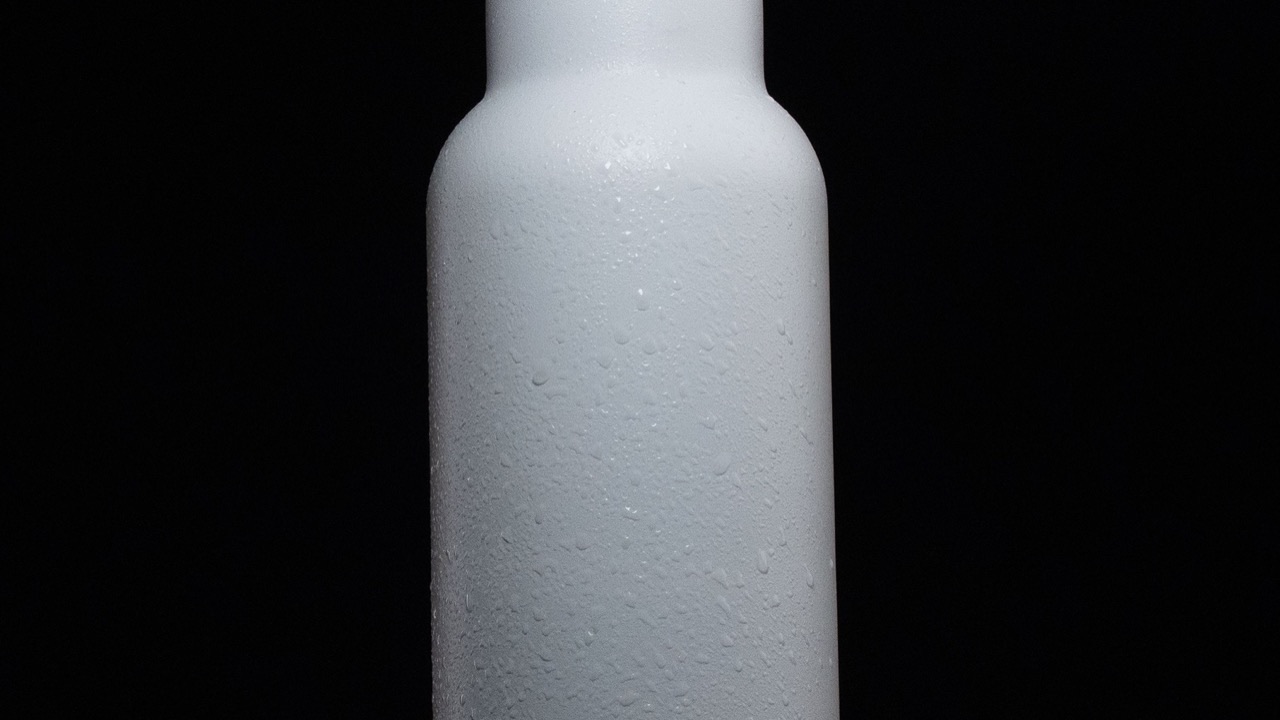
The first wholesale order with a new supplier is where most sourcing problems start. Not because the first order usually goes badly — suppliers put their best work into initial orders from new buyers — but because buyers who don’t verify the right things before the order is placed have no way to catch problems until they arrive in a shipment that’s already paid for. The verification process before an order is placed is the window where problems can be corrected at low cost. After the order is in production, the leverage disappears.
Verify product certifications against the markets you’re selling into
The certifications that matter depend entirely on where the product is being sold. Before placing a wholesale order, identify the specific regulatory requirements of your target market, then ask the supplier which of those requirements their product meets and request the documentation that supports the claim.
For the US market: FDA 21 CFR compliance for food-contact materials is the relevant standard. FDA doesn’t certify individual products, so the documentation you’re looking for is third-party laboratory testing showing that the materials — steel alloy, silicone seal ring, any plastic components — meet FDA migration limits. Test reports from accredited laboratories (SGS, Bureau Veritas, Intertek, or equivalent) are meaningful; supplier-generated compliance letters are not independently verifiable.
For California specifically: Proposition 65 requires that products containing chemicals above certain threshold concentrations carry a warning. For stainless steel water bottles, the relevant hazards are typically lead in solder joints and heavy metals in coating materials. XRF testing of the base weld area and coating is the most reliable way to verify Prop 65 compliance; it can be done pre-shipment on production samples.
For European markets: LFGB test reports (specifically for the German food safety standard) from accredited labs are the relevant documentation. EU Food Contact Materials Regulation (EC) No 1935/2004 is the broader framework.
Ask for the actual test reports, not just certificates. Test reports include the specific results of each test and the standard limits they were measured against. A certificate that says “passed” without including results is not independently verifiable.
Verify the minimum order quantities and pricing structure before finalizing specs
Wholesale pricing for insulated water bottles has a structure that isn’t always apparent from the initial quote. The unit price at MOQ is one component. What the quote may not include: tooling or mold fees for custom shapes, color matching setup charges for non-standard powder coat colors, packaging development costs if custom boxes are required, and first-order minimums for certain lid configurations.
Before finalizing any customization specifications, get a complete cost breakdown that explicitly lists what’s included in the unit price and what generates additional charges. Ask whether there’s a tooling or mold amortization built into the unit price, or whether it’s charged separately. Ask whether the price changes if the order is split across multiple colors or SKUs. Ask what the packaging options are at this order quantity and what custom packaging costs.
The most common wholesale order surprise: a buyer specifies a custom color, approves a quote, and then receives an invoice that includes a powder coat setup charge that wasn’t discussed. Getting the complete cost breakdown before order placement prevents this.
Verify sample quality against production intent — not just appearance
Sample review typically focuses on appearance: color match, logo placement, lid feel. Those things matter, but appearance doesn’t predict vacuum performance, coating durability, or lid longevity. Before placing a wholesale order, run functional tests on the supplier’s samples that reveal those properties.
Vacuum performance: fill the sample with ice and cold water, seal it, and record how long the ice takes to fully melt in a room-temperature environment (approximately 70°F). A quality double-wall vacuum bottle should retain ice for 24 hours or longer. A significantly shorter retention time indicates vacuum quality problems that will affect the production run at higher rates than the sample.
Coating adhesion: do the cross-hatch test on the sample’s exterior surface. Score a grid of cuts through the coating, apply tape firmly, and pull it off cleanly. No coating should lift from the cut lines on a properly adhered powder coat finish.
Lid seal: fill the sample with hot liquid, seal the lid, and invert it for 30 seconds. Then hold it at 45 degrees for a minute. Any leakage indicates a seal quality problem. Test with hot liquid specifically, because thermal expansion of the lid components affects seal geometry differently than cold.
If the supplier’s samples pass these tests, you have functional evidence that their production process can deliver the performance the product claims. If they don’t pass, you’ve found out before an order is placed rather than after a shipment arrives.
Verify the production timeline against your actual delivery requirements
Production lead time as stated by suppliers is the time from order confirmation to goods ready for shipment. It typically does not include: custom packaging production time, color approval cycles if you’re specifying a non-standard color, time for sample approval if the supplier requires approval before production, and shipping transit time to your destination.
Before placing an order, map out the complete timeline from order placement to goods in hand. Ask the supplier: how long is your current production lead time for this product at this quantity? Does custom packaging affect lead time, and if so by how much? Is there a sample approval step before production begins, and how long does that add? What’s the typical transit time for your standard shipping method to the destination port?
Add buffer for customs clearance and inland transportation from port. For a standard ocean freight order, budget 30 to 45 days from goods-ready to warehouse arrival, on top of production lead time.
If the resulting total timeline doesn’t work for your inventory requirements, discuss it before placing the order — not after production is underway.
Verify the supplier’s defect handling policy in writing
Every production run has some defect rate. The question is what happens when the defect rate in your shipment exceeds your tolerance. Before placing an order, ask the supplier to state their defect handling policy explicitly: what AQL standard do they apply to outgoing shipments, what happens if your incoming inspection finds a defect rate above AQL, and what remediation they offer — replacement units, credit, re-production.
Get the answer in writing as part of the purchase agreement, not just verbally. A supplier who agrees to replace units exceeding AQL 2.5 on first request, in writing, is making a commitment that can be enforced. A verbal assurance of “we’ll take care of it” cannot be held to.
Reviewing these elements before a wholesale insulated water bottle order is placed — certifications against market requirements, complete pricing including all charges, functional sample testing, realistic total timeline, and written defect handling policy — turns the first order from a leap of faith into a decision based on verified information. Working with a supplier like wholesale insulated water bottles that can satisfy all of these checks is the starting point for a sourcing relationship that holds up beyond the first shipment.