Roll-Top, Zipper, or Buckle Flip: How Waterproof Bag Closure Designs Actually Compare
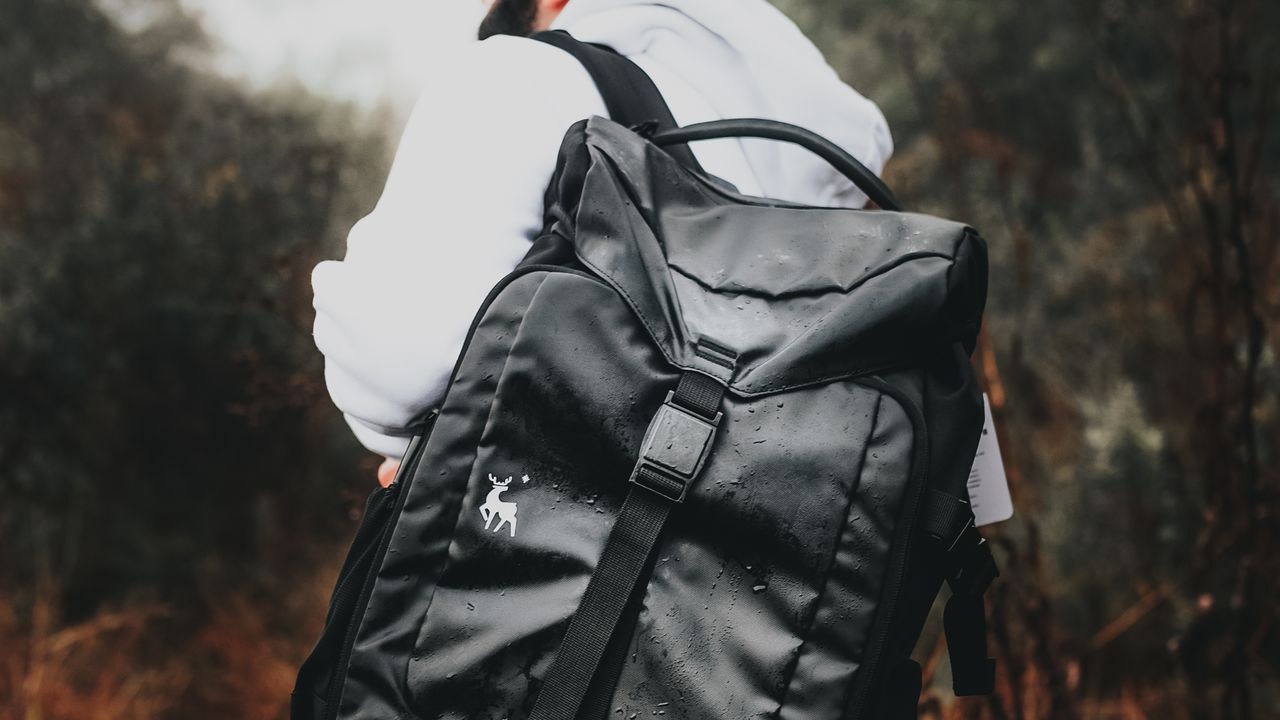
The closure is the most consequential part of a waterproof bag’s design, and also the part most likely to be the failure point. A bag made from impeccable material with flawlessly welded seams leaks if the closure fails under pressure or repeated use. The three dominant closure types in the waterproof bag market — roll-top, waterproof zipper, and buckle/flip-seal — each have characteristic strengths, failure modes, and use cases where they’re the right answer. Understanding the differences shapes better sourcing decisions and prevents the more expensive problem of discovering a mismatch in the field.
Roll-top closures: the standard for submersion performance
The roll-top (also called a dry roll, fold-over seal, or Ortlieb-style closure) works by rolling the opening of the bag downward on itself multiple times and securing the folded roll with a clip or buckle at each end. The seal is created by the overlapping layers of material — no zipper, no gasket, no electronic components.
The waterproofing mechanism is elegant and reliable: each fold doubles the barrier against water infiltration, and three to four full rolls is typically sufficient to pass IPX7 submersion testing (temporary submersion to one meter for thirty minutes) on a bag with sealed seams. Five or more rolls is standard practice for whitewater and diving applications where hydrostatic pressure is higher.
The practical advantages follow from the simplicity. Roll-top closures have no sliding components to corrode, no zipper teeth to deform or clog, and no gaskets to wear out or degrade. A well-made roll-top bag can sustain its waterproofing performance over years of hard use in a way that more complex closure mechanisms can’t, because there’s nothing mechanical to fail. This is why roll-top is the closure of choice for dry bags used in expedition kayaking, river rafting, and other sustained submersion-risk environments.
The limitations are operational. Rolling and unrolling the closure takes longer than unzipping or unsnapping, particularly when wearing gloves in cold conditions. The rolled closure also adds height to the bag when closed, which can create awkward packing dimensions. And a roll-top bag can only be accessed from the top, which means reaching items at the bottom of a loaded bag requires removing everything above them — an inconvenience for activities where frequent access to bag contents is needed.
For use cases where waterproofing is the primary requirement and frequent access is secondary, roll-top is usually the right answer. For use cases where quick, repeated access is part of the operational pattern, the access limitation becomes a real friction point.
Waterproof zippers: convenience at a cost
Waterproof zippers — the most common variants are from YKK Aquaguard and similar suppliers — provide a zipper opening that resists water infiltration through a rubber or silicone gasket that runs along the zipper teeth, creating a seal when the slider is closed. They allow the bag to be opened and closed quickly and repeatedly while maintaining meaningful water resistance.
The best waterproof zippers pass IPX6 (water jet resistance) routinely and can be constructed to pass IPX7 with appropriate bag design. They’re the closure mechanism of choice for dry bags and waterproof cases where both submersion resistance and quick access are required — camera bags for water photographers, medical kit bags for paramedics in wet environments, gear bags for water sports instructors who need to access contents frequently between sessions.
The tradeoffs are cost and durability. Quality waterproof zippers cost significantly more than standard zippers, and the zipper is typically the first component to wear out in a bag that’s opened and closed many times daily over years of use. The rubber gasket wears with use and exposure to UV and salt; a zipper that seals perfectly when new may allow water infiltration after two seasons of heavy use. Lubricating waterproof zippers periodically with zipper wax or the manufacturer’s recommended product extends service life meaningfully, but this maintenance step requires user awareness.
Lower-cost “waterproof” zippers that use a water-repellent coating rather than a true gasket should be distinguished from genuine waterproof zippers. Coated zippers resist light moisture but don’t provide reliable protection against sustained spray or submersion. This distinction matters for buyers and is worth confirming with suppliers — the difference in component cost between a genuine gasketed waterproof zipper and a coated standard zipper is significant, and not all suppliers use the more expensive option by default.
Buckle flip-seal and compression closures
Buckle or flip-seal closures use a mechanical compression system to create the water seal — typically a rigid or semi-rigid frame around the bag opening and a matching lid that clips, latches, or flips over to compress a gasket against the opening perimeter. This design is common in waterproof cases, hard-shell containers, and some soft bags used in medical and industrial contexts.
The seal quality in a buckle/flip closure depends on consistent gasket compression around the entire perimeter. A well-designed buckle closure with a continuous gasket provides reliable waterproofing that can be maintained over many open-close cycles if the gasket is inspected and replaced when worn. The gasket is a replaceable component — this is an advantage over roll-tops and zippers where the closure mechanism is integrated into the bag and not easily serviced.
The limitation is bulk and complexity. Buckle closures add rigid or semi-rigid structure to a bag, which adds weight and limits how the bag packs and compresses when not fully loaded. They’re more appropriate for cases and structured bags than for packable dry bags or flexible tote-style waterproof bags. The seating of the lid or cover needs to be consistent — a buckle that’s partially engaged doesn’t seal, which is a user error risk in conditions where people are moving quickly or under stress.
How closure choice affects the manufacturing process
For buyers specifying custom waterproof bags, the closure type has implications for the production process and minimum order quantities. Roll-top closures are the simplest to manufacture — the material is extended and finished at the top, and the buckle or clip hardware is attached. Waterproof zippers require precision installation, with the zipper positioned accurately and secured without gaps at either end of the run. Buckle flip-seal closures require compatible rigid or semi-rigid frame components that may be sourced from a different supplier than the bag material itself.
A waterproof bag manufacturer experienced in all three closure types can advise on which construction makes sense for a given application, minimum order requirements for each, and the sample and testing timeline to validate waterproofness before a production run. These conversations are more productive when the buyer has clarified the use case — what the bag needs to withstand, how often it will be opened and closed, who will be using it and in what conditions — rather than starting from a closure type preference without context.
Matching closure to use case
The clearest guidance is to start with the access pattern and water exposure level, then work backward to the closure:
If the bag will be in sustained submersion or high-pressure water exposure (river sports, diving adjacent, marine use) and accessed infrequently: roll-top is usually the right answer. The waterproofing reliability over time and under pressure is higher than any zipper-based closure.
If the bag needs both meaningful water resistance and frequent, quick access — multiple times per hour in wet conditions: a quality waterproof zipper is the right answer. Budget for a higher-specification component and account for the maintenance requirement.
If the bag is a structured case or container that will be opened occasionally but needs reliable protection for sensitive contents: buckle flip-seal with a replaceable gasket provides reliable service and long-term maintainability.
Where buyer error happens most often is selecting a closure for how it looks or how it performs when new, without considering the operational pattern and the service life performance. A roll-top bag handed to field workers who need frequent access will be left open or improperly rolled; a waterproof zipper bag used in sustained submersion will outlast its zipper long before the bag material fails. The right closure is the one that fits how the bag is actually used.